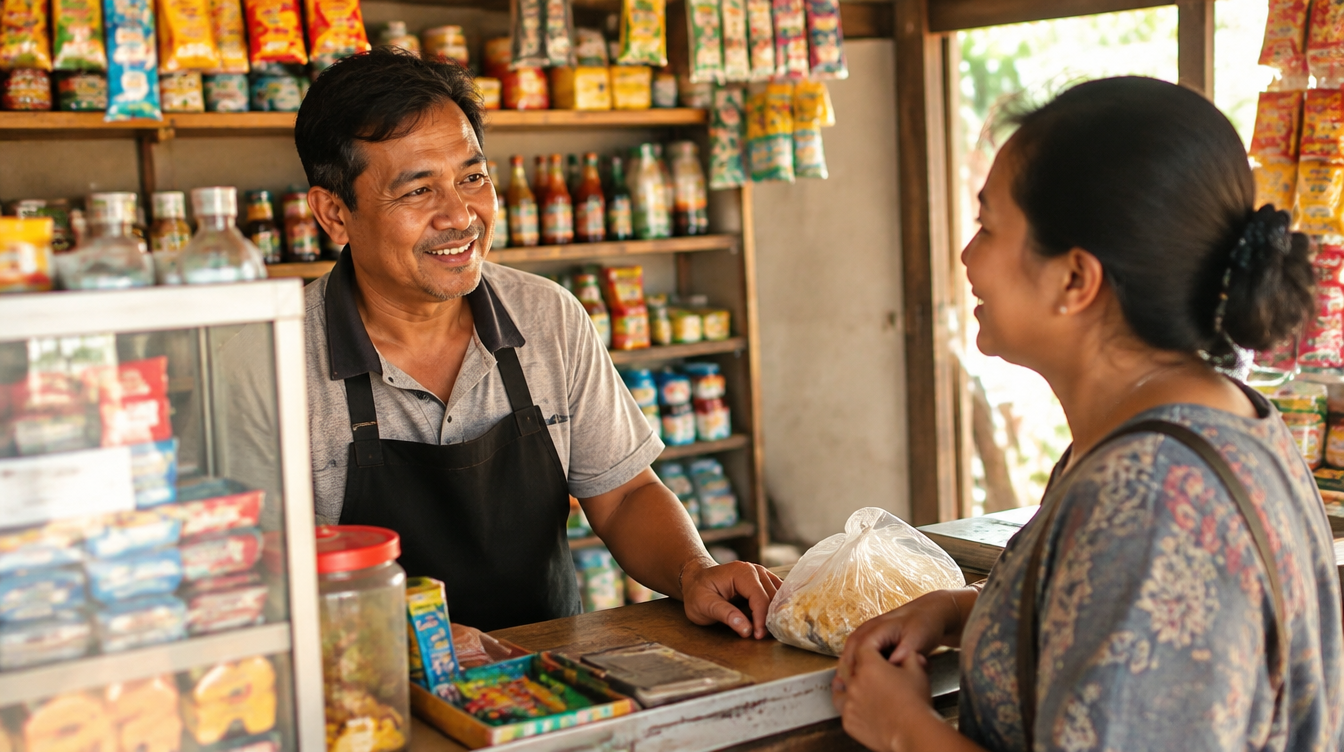
Long before CRM software existed, neighborhood grocery stores practiced customer relationship management every day. The owner knew which family preferred a certain brand of rice, which elderly neighbor needed help carrying heavy items, and which child came every afternoon for a favorite snack. These stores built remarkable loyalty, often lasting for generations. Looking at how a typical neighborhood grocery store treats its customers offers valuable lessons for any business using CRM today, whether it is a small shop or a growing company.
Knowing Customers Personally
The heart of a neighborhood store’s success is personal knowledge. The owner remembers names, family members, favorite products, and even important events, such as a new baby or a child starting school. Customers feel recognized as individuals, not anonymous buyers.
Modern CRM allows businesses to capture this same kind of knowledge in a structured way, so that it is not limited to one person’s memory. Recording preferences, important dates, and past purchases enables any staff member to offer the same personal attention. The lesson is that CRM is not primarily about technology. It is about remembering people and using that knowledge to serve them better. Businesses that use CRM only for sales tracking miss its most powerful purpose.
Anticipating Needs and Offering Flexibility
A good neighborhood store owner anticipates needs. When a customer’s usual product is about to run out in the store, the owner sets one aside. When a regular family has not visited for a while, the owner asks neighbors whether they are well. Some stores even allow trusted customers to pay later during difficult times.
CRM can support similar thoughtful behavior. Purchase patterns reveal when customers may need to restock, and inactivity alerts can prompt a friendly check-in. Recording special arrangements, such as delivery for elderly customers or preferred payment schedules, ensures consistency. The lesson here is that anticipating needs builds deep trust. Customers remain loyal to businesses that make their lives easier, even when competitors offer slightly lower prices.
The neighborhood store also teaches the value of consistency. Customers trust it because the owner is reliably friendly, fair, and helpful every day, not only during special promotions. CRM supports this consistency by ensuring that every staff member has the same information and follows the same caring approach, even on busy days.
Building Community, Not Just Sales
Neighborhood stores often become community hubs. People exchange news, ask for recommendations, and feel a sense of belonging. The store’s success is tied to the well-being of the neighborhood, and the owner contributes by supporting local events and helping customers in small ways.
Businesses using CRM can learn to think beyond individual transactions. Inviting customers to events, sharing useful information, celebrating local occasions, and listening to feedback all help build community. CRM makes it possible to organize these efforts as the customer base grows beyond what one person can remember. The final lesson from the neighborhood grocery store is simple. Technology should strengthen human relationships, not replace them. When CRM helps businesses act more like a caring neighbor, customers respond with lasting loyalty.